 how-to
Designer Clothes in Thrift Shops: A Buyer's Guide
Table of Contents
- Can You Find Designer Clothes in Thrift Shops?
- Best Charity Shops for Designer Labels
- How to Spot Fake Designer Clothes
- Tips for Thrifting High-End Fashion
- Online vs. Offline Vintage Shopping
- Building Your Designer Wardrobe on a Budget
- Frequently Asked Questions
Last Updated: October 4, 2026
Can You Find Designer Clothes in Thrift Shops?
Yes, you can find designer clothes in designer clothes thrift shops. Many charity shops stock genuine luxury items at a fraction of retail prices. The key is knowing where to look, how to authenticate what you find, and what to watch for.
Finding designer clothes in thrift shops is strategy, not luck. People donate high-end pieces when wardrobes change, items no longer fit, or they declutter. Charity shops, estate sales, and consignment stores become treasure troves for savvy shoppers willing to spend time searching.
Best Charity Shops for Designer Labels
The Wealth-Mapping Strategy: Why Location Matters
Finding designer clothes in thrift shops is fundamentally a geography problem. Affluent donors are more likely to own designer pieces, and when they donate, those pieces enter the secondhand market locally. Understanding this pattern transforms your thrifting from random browsing into a targeted strategy.
Charities in wealthy postcodes receive donations from residents with higher disposable incomes and access to luxury goods. When their wardrobes change, those designer pieces go to their nearest charity shop.
Identify affluent neighbourhoods by researching property values, household income, and retail presence. Areas with high-end boutiques, premium restaurants, and luxury dealerships typically have corresponding residential wealth. These postcodes are your primary targets.
Visit charity shops in affluent areas first. Stock is better curated, garments are in superior condition, and designer labels appear more frequently.
Identifying High-Yield Charity Shop Locations
Specialist Fashion Charity Shops
Some charity shops focus exclusively on clothing and fashion. These curated collections make your search more efficient, and staff often have fashion knowledge to answer questions about garments and brands.
They charge slightly more than general charity shops, but time savings and higher quality justify the premium.
Estate Sale and Clearance Specialists
Estate sales offer concentrated opportunities. When someone passes away, moves into care, or downsizes, their entire wardrobe often enters the secondhand market at once, sometimes featuring multiple designer pieces.
Estate sales are advertised online through specialist platforms. Arrive early, the best pieces sell within the first hour. You can inspect items thoroughly before purchase, reducing authentication risk.
Consignment Stores vs. Charity Shops
Consignment stores take items on behalf of sellers and take a commission (typically 40-60%) when pieces sell. They authenticate items more rigorously and curate inventory more carefully, so you're less likely to find counterfeits, though prices are higher.
Charity shops accept donations without authentication, creating both risk (counterfeits slip through) and opportunity (underpriced designer pieces are more common).
Timing and Inventory Patterns
Seasonal Donation Cycles
Timing affects what you'll find. After Christmas, shops receive donations from gift-giving and decluttering. Summer brings lightweight clothing donations; autumn brings summer pieces.
Shop in January-February for winter pieces, September-October for autumn donations, and May-June for summer pieces.
Weekly and Daily Patterns
Visit shops regularly on predictable schedules. Most process donations early morning and put items out first thing. Arrive when doors open for the best selection.
Building relationships with shop staff gives you insider knowledge about incoming inventory and advance notice of good donations.
Don't Overlook Smaller, Independent Shops
Smaller, independent charity shops sometimes have better finds because they receive fewer visitors and less competition, and may serve affluent local communities.
Independent shops often have staff with fashion knowledge and sometimes alert regular customers to new arrivals.
Developing Your Personal Thrift Map
Create a list of your top 10-15 charity shops within reasonable travel distance, prioritising affluent areas and specialist fashion retailers.
Rank shops by reliability. Your top three should become regular weekly or fortnightly visits.
Note the best visiting times for each shop. If a shop has fresh stock on Tuesday mornings, visit then. If another gets picked over by lunchtime, arrive early.
Expand your map seasonally. In winter, prioritise shops in wealthy areas with cold climates. In summer, visit affluent seaside towns that receive holiday home donations.
Track what you find. Over time, you'll develop an intuitive sense of where to find specific designers or garment types.
How to Spot Fake Designer Clothes
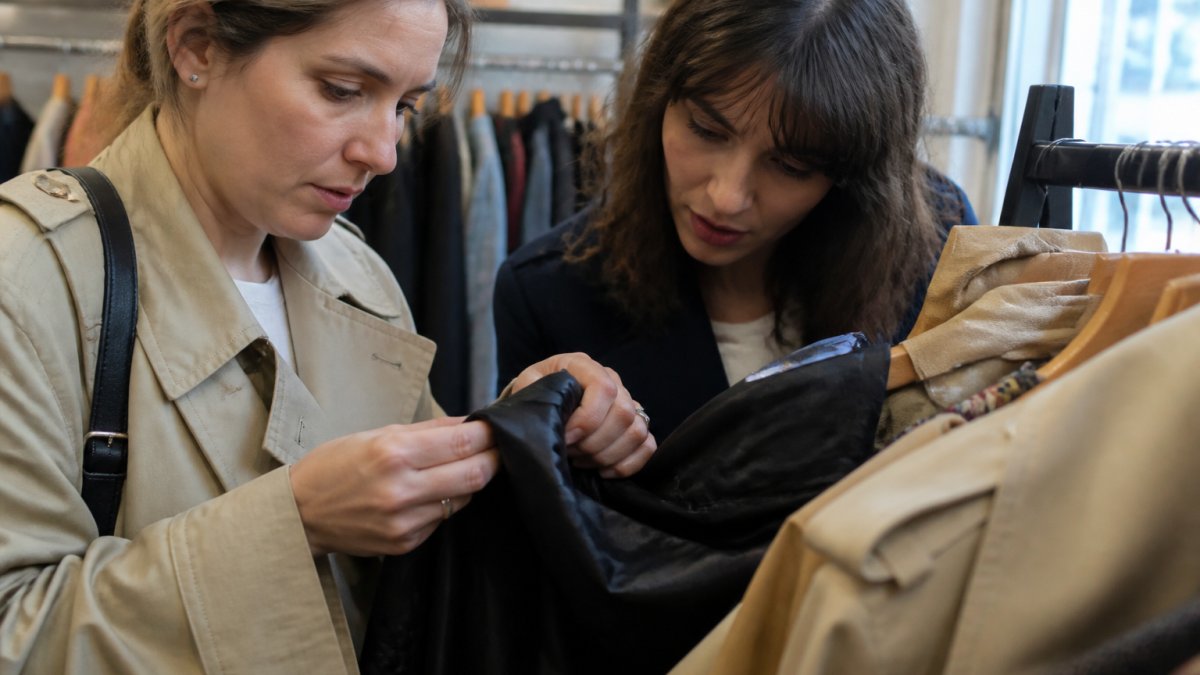
Counterfeit designer items flood secondhand markets. Learning to spot fakes protects your money and ensures you're buying authentic luxury goods. Verify authenticity before purchasing.
A Structured Authentication Workflow
Approach authentication in three stages: initial red flags, label and construction verification, and material assessment.
Stage 1: Initial Red Flags
Check for obvious warning signs: misspelled brand names, off-looking logos, or cheap packaging.
Check the garment's weight and feel. Designer pieces have substance.
Stage 2: Label and Construction Verification
Examine the main label. Authentic designer labels are crisp, clear, and perfectly printed with correct font and spacing.
Check the care label.
Inspect stitching throughout the garment. Designer pieces feature perfectly even stitching with colour-matched thread.
Examine seam finishing. High-end clothing has finished seams, edges are bound, overlocked, or neatly finished.
Look at zips and fastenings. Designer garments use quality hardware. Zips should glide smoothly; buttons should be secure.
Stage 3: Material Assessment
Feel the fabric between your fingers.
Counterfeit garments use cheaper fabrics that feel thin, stiff, or artificial.
Check for pilling. Authentic designer fabrics resist pilling and bobbling.
Assess weight and structure. Quality garments feel substantial in your hands. They have body and structure that cheap fabrics lack.
Brand-Specific Authentication Considerations
Different designers have different vulnerabilities to counterfeiting. Luxury handbag brands like Louis Vuitton and Gucci are heavily counterfeited, so examine hardware, stitching patterns, and logo placement with extra scrutiny. Designer clothing brands like Burberry and Prada often have signature patterns or weaves, learn what authentic versions look like before shopping.
Research your target brands before visiting designer clothes thrift shops. Spend 10 minutes online looking at official product images, close-ups of labels, and construction details. This visual reference makes spotting counterfeits much easier in person. Many brands publish authentication guides on their websites or through official retailers.
When in Doubt, Ask or Walk Away
If you're uncertain about authenticity after inspection, ask the shop staff if they can provide any provenance information. Some charity shops keep records of donations. If staff can't verify origin or authenticity, and you're still unsure, walk away. There will always be another piece. Buying a counterfeit wastes money and supports illegal manufacturing.
Consider purchasing from specialist vintage or consignment retailers rather than general charity shops if you're new to authentication. These businesses stake their reputation on authenticity and often provide guarantees. The slightly higher price is worth the confidence, especially as you're building your authentication skills.
Tips for Thrifting High-End Fashion
Developing a Thrift Strategy and Bargain Hunting Approach
Successful thrifting requires a system. Know what you're looking for before you enter a shop. Search for specific designers, styles, or sizes rather than browsing randomly.
Build a list of your preferred designers. Know their signature styles and typical price points. This knowledge helps you spot genuine pieces quickly and recognise bargains.
Develop a geographic strategy. Identify the best charity shops in your area. Map out which locations stock designer pieces regularly. Some shops become reliable sources. Others rarely stock high-end items.
Visit shops regularly on the same days. Staff often process new donations at predictable times. You'll learn the rhythm of inventory changes at your favourite locations.
Don't overlook less obvious shops. Smaller, independent charity shops sometimes have better finds than large chains. They receive donations from local residents who may own designer pieces.
Learn the pricing structure. Charity shops price items differently. Some use designer labels as pricing cues. Others price by garment type regardless of brand. Understanding how shops price items helps you spot genuine bargains.
Cleaning and Restoration of Luxury Thrift Finds
Designer clothes from thrift shops often need cleaning. Professional dry cleaning removes dust, odours, and light stains. Many luxury pieces require dry cleaning to maintain fabric integrity.
Gentle hand washing works for delicate items. Use cool water and mild detergent designed for fine fabrics. Lay items flat to dry rather than hanging them.
Address minor repairs promptly. Loose seams, missing buttons, or small tears are simple fixes. Professional tailors can restore these issues affordably. Early repair prevents small problems from becoming major damage.
Check for stains before buying. Some stains don't come out. Test cleaning on inconspicuous areas first. Professional cleaners can advise on stubborn stains.
Store pieces properly. Use padded hangers for heavy items. Store seasonal clothing in breathable garment bags. Proper storage extends the life of your thrift finds.
Online vs. Offline Vintage Shopping
Online platforms offer convenience. You browse from home and have items delivered. Selection is often wider than local shops. However, you can't inspect items in person before buying.
Offline shopping lets you examine garments directly. You feel the fabric, check seams, and verify authenticity immediately. You can try items on to ensure fit. The downside is limited selection and time investment.
Combine both approaches. Use online shopping for specific designers or styles you know well. Visit local shops for unexpected discoveries and hands-on inspection.
Online platforms sometimes offer buyer protection. Check return policies before purchasing. Some sites guarantee authenticity or offer refunds for counterfeit items.
Local charity shops require no shipping. Collection-only items save money. You support your community directly. Building relationships with local shop staff gives you access to insider tips about incoming stock.
Building Your Designer Wardrobe on a Budget
Start small. Buy one or two quality pieces rather than many cheap items. A single authentic designer piece outlasts multiple fast-fashion garments.
Focus on classic styles. Trends fade quickly. Timeless pieces remain wearable for years. Designer basics like white shirts, tailored trousers, and neutral jumpers hold value and style.
Mix designer and high-street pieces. You don't need an entirely designer wardrobe. Pairing one designer piece with high-street items creates polished outfits without excessive spending.
Learn to recognise value. Some designer pieces are underpriced in thrift shops. Others are overpriced despite their brand. Understanding typical retail values helps you spot genuine bargains.
At LOSBID, we understand that building a quality wardrobe doesn't require spending a fortune. Our community marketplace connects buyers and sellers of pre-loved fashion. Whether you're buying or selling secondhand items, our secure platform with buyer protection ensures confident transactions.
Finding designer clothes in thrift shops requires patience, knowledge, and strategy. You'll need to learn authentication techniques, develop a systematic shopping approach, and understand where quality secondhand pieces concentrate.
Frequently Asked Questions
How do you tell if a designer item is authentic when shopping in thrift shops?
Check the label carefully for spelling, font consistency, and placement. Examine stitching quality, authentic designer clothes have even, tight stitches. Feel the fabric weight and quality; luxury items use premium materials. Look for serial numbers, holograms, or authenticity tags specific to the brand. Compare the item against official brand photos online. If something feels off about the construction or materials, it's likely counterfeit. Many thrift shops stock pre-loved authentic pieces, but counterfeit items do appear, so detailed inspection is essential.
What brands should you look for when thrifting high-end fashion?
Focus on established luxury brands known for quality and resale value: Chanel, Louis Vuitton, Gucci, Prada, Burberry, and Hermès are common finds in charity shops and vintage boutiques. Mid-range designer labels like Jil Sander, Reiss, and Whistles also appear regularly. Check garment condition carefully and verify authenticity before purchasing. Designer wardrobe staples like structured jackets, quality handbags, and classic trousers hold their value better than trend-driven pieces. Learning to spot these brands quickly will improve your thrifting success rate significantly.
Are charity shops better for designer finds than vintage boutiques?
Both have advantages. Charity shops offer lower price points and larger inventory turnover, making them ideal for bargain hunting. Vintage boutiques typically curate their collections and verify authenticity, reducing counterfeit risk. Charity shops require more patience and inspection skills, but you'll find hidden gems at fraction of retail value. Vintage boutiques offer convenience and confidence but charge higher prices. The best approach combines both: search charity shops regularly for deals while using boutiques when you need specific, pre-authenticated pieces for your wardrobe.
Where do unsold designer clothes in thrift shops come from?
Designer pieces in charity shops and resale platforms come from several sources: estate sales, downsizing, donations from wealthy households, and items people no longer wear. Some arrive through consignment arrangements where individuals bring pre-loved luxury goods to sell. Seasonal inventory cycles mean new stock arrives regularly, especially after winter and summer seasons when wardrobes are refreshed. Understanding these sources helps you time your visits strategically. Shopping at charity shops supports community fundraising while giving quality designer items a second life in sustainable fashion cycles.