 how-to
Safe Payment Methods for Private Sales
Table of Contents
- Why Safe Payment Methods Matter for Private Sales
- Bank Transfer Safety for Private Sellers
- Buyer Protection for Private Sales
- Payment Methods Compared: Pros and Cons
- How to Avoid Scams on Online Marketplaces
- Creating a Digital Record and Post-Transaction Protection
- Meeting in Person Safely and Verifying Payment
- Frequently Asked Questions
Last Updated: September 25, 2026
Why Safe Payment Methods Matter for Private Sales
The payment method you choose can make or break a private sale. A wrong choice leaves you vulnerable to fraud and lost money. The right choice protects both parties and creates a clear record if something goes wrong.
Safe payment methods for private sales are about security, proof, and peace of mind. Understanding your options helps you avoid common pitfalls.
A fraudulent transaction can cost you the item, the money, or both. A payment method without a trace makes recovery nearly impossible.
Bank Transfer Safety for Private Sellers
Bank transfers are among the most secure payment methods for private sales. They create an electronic record and are harder to reverse fraudulently than cash or cheques.
When a buyer transfers money to your account, you have proof: their name, the amount, date, and time. If a dispute arises, you have documentation. This traceable payment method protects you far better than cash.
How Faster Payments and CHAPS Work
Faster Payments is the standard UK electronic transfer system, with money arriving within hours. CHAPS (Clearing House Automated Payment System) is faster, arriving within an hour, but costs more. Both create traceable electronic records and proof of payment. The key difference is speed and cost, not security.
Verifying Cleared Funds Before Handing Over Goods
Never hand over your item until you've confirmed the money has arrived in your account.
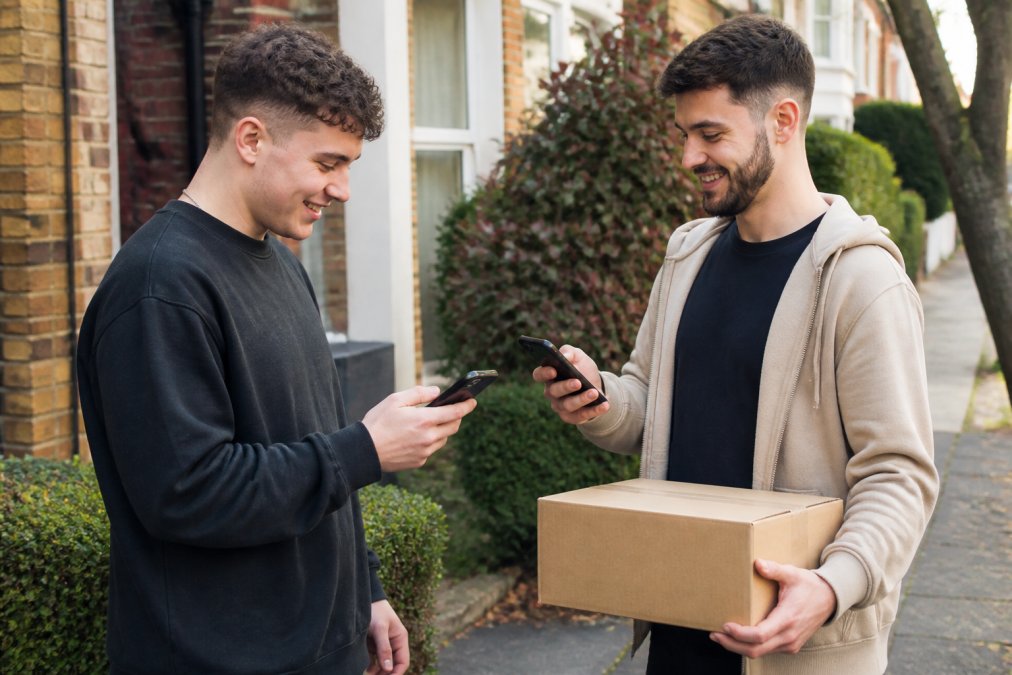
Log into your bank account and verify funds are there before releasing goods. Don't rely on buyer notifications or screenshots. If meeting in person, ask the buyer to show the bank transfer confirmation on their phone before handing over the item. If they refuse, that's a red flag.
Buyer Protection for Private Sales
Buyer protection is a feature offered by some payment platforms and marketplaces. Understanding how it works helps protect you too.
What Buyer Protection Covers
Buyer protection typically covers items that don't arrive, are significantly different from the listing, are counterfeit, or are damaged beyond what was disclosed. It does NOT cover disputes over condition, minor damage, or buyer's remorse. If you accurately described the item, buyer protection won't help the buyer reverse the payment.
This matters because it means you're protected too. If you sold accurately and honestly, a buyer can't use protection to scam you. They have to prove a genuine problem.
Choosing Platforms with Built-In Protection
Platforms like LOSBID offer buyer protection as part of their service. When you sell on a protected platform, you get a transaction record and neutral dispute handling. Selling on a protected platform is safer than arranging private bank transfers outside any marketplace.
Payment Methods Compared: Pros and Cons
Different payment methods suit different situations. Understanding the trade-offs helps you choose wisely.
| Payment Method | Speed | Traceability | Buyer Protection | Risk to Seller |
|---|---|---|---|---|
| Bank Transfer (Faster Payments) | Hours to minutes | Full electronic record | Low | Moderate if unverified |
| Cash | Instant | None | None | Very high |
| E-Wallet (PayPal, Apple Pay) | Minutes | Full record | Moderate to high | Moderate |
| Direct Debit | 3-5 days | Full record | Moderate | Low |
| Cheque | 5-10 days | Recorded by bank | Low | High (can bounce) |
| Banker's Draft | Instant | Recorded by bank | Moderate | Low |
| Escrow Service | Varies | Full record | High | Low |
Cash Payments and Their Risks
Cash is immediate and requires no account. But it's also the riskiest payment method for private sellers.
With cash, there's no record. No proof of the transaction. No way to verify how much was handed over. If a buyer later claims they paid less, or paid nothing, you have no evidence to dispute it.
Counterfeit notes are another risk. A buyer can hand you fake cash and you won't discover it until later. By then, they have the item and you have worthless paper.
Cash also creates personal safety concerns. Meeting someone with large amounts of cash makes you a target for theft. You're vulnerable during the exchange.
For these reasons, cash is best avoided for anything valuable. If you must accept cash, count it carefully in good light, check for security features, and meet in a safe public place with others nearby.
E-Wallets, Direct Debit, and Digital Payment Options
E-wallets like PayPal, Apple Pay, and Google Pay offer speed and a full electronic record, but transactions can be reversed if a buyer claims non-authorisation or non-delivery. Direct debit is slower (3-5 days) but can't be reversed after clearing, making it safer for high-value items. For private sales, e-wallets work for smaller transactions; for anything over £100, use bank transfer or direct debit.
Banker's Draft and Cheque Payments
A banker's draft is issued by the bank itself and guarantees funds, making it safer than a personal cheque, which can bounce or be forged. Cheques take 10 days to clear, and you may hand over goods before payment clears. For private sales, cheques are outdated and risky. Bank transfers are faster and more secure.
Escrow Services for High-Value Items
An escrow service is a neutral third party that holds money during a transaction (IEIM401860 - Financial Accounts: Excluded Accounts: Escrow Accounts - HMRC internal manual). The buyer sends money to escrow, you send the item, and escrow releases payment once the buyer confirms receipt. Escrow protects both sides and investigates disputes. It charges a fee (typically 2-5%) but is worth considering for items over £500.
How to Avoid Scams on Online Marketplaces
Fraud on online marketplaces comes in many forms. Knowing the patterns helps you spot trouble before you lose money.
Identifying Fraudulent Transactions and Red Flags
Watch for buyers who pressure you to send before payment clears, overpay and ask for refunds, request unusual payment methods, send from mismatched account names, or claim payment without verification. These patterns suggest a scam. A legitimate buyer has no reason to rush or use unusual methods.
Payment scams often work this way: a buyer sends a screenshot of confirmation, you send the item, and days later you discover the payment was fake.
Spotting Counterfeit Items and Fake Sellers
A buyer might claim an item is counterfeit to force a refund. Protect yourself by taking clear photos of serial numbers and packaging, keeping receipts, describing condition honestly, and noting wear in your listing. This evidence protects you against false counterfeit claims, especially for electronics and collectibles.
Psychological Red Flags in Buyers and Sellers
A buyer who seems rushed, evasive, or unwilling to answer questions is suspicious. Serious buyers ask practical questions about condition and delivery. Scammers ask vague questions or rush to payment. If something feels off, walk away.
Creating a Digital Record and Post-Transaction Protection
A clear record protects you long after the transaction ends. Digital records are your evidence if a dispute arises.
Using Digital Receipts and Contract Templates
Screenshot the listing, payment confirmation, and messages with the buyer. For high-value items, use a simple contract including item description, condition, price, delivery details, and both parties' contact information. Both parties sign and keep a copy. Save all digital receipts from the marketplace, they're your proof of transaction.
Dispute Resolution When Transactions Go Wrong
If a buyer claims the item didn't arrive, or arrived damaged, or is counterfeit, you need a clear process.
Meeting in Person Safely and Verifying Payment
For local sales, meeting in person adds another layer of security. You can inspect the item together and verify payment on the spot.
Frequently Asked Questions
Are bank transfers safe for private sales?
Bank transfers are among the safest payment methods for private sales because they create an electronic record and are traceable. Faster Payments and CHAPS transfers clear within hours, allowing you to verify funds before handing over goods. However, confirm the buyer's identity and account details independently rather than trusting information provided in messages. Once transferred, bank payments are difficult to reverse, so only release items after cleared funds appear in your account.
What should I do to avoid scams on online marketplaces when selling items?
Watch for psychological red flags: buyers who rush you, use unusual payment requests, or pressure you to ship before payment clears. Verify buyer identity through the marketplace's verification system. Request proof of payment before handing over goods. Use secure platforms that offer seller protection and electronic records. Never accept payment methods you cannot verify or trace. Meet in person in safe, public locations for high-value items, and always request payment confirmation on your phone before the exchange.
What buyer protection features should I look for in a marketplace?
Choose platforms that offer buyer protection guarantees, transaction history, and dispute resolution processes. Buyer protection typically covers items that don't arrive, are significantly damaged, or are counterfeit. Avoid marketplaces that offer no recourse if disputes arise.
Should I accept cash for high-value private sales?
Cash payments carry significant risks: they are not traceable, cannot be verified, and offer no protection if the transaction goes wrong. For high-value items, cash also creates personal safety concerns and leaves no financial record. Bank transfers, escrow services, or payment through secure platforms with buyer protection are far safer alternatives. If you must accept cash, meet in a public location, bring a trusted person, verify the notes are genuine, and count carefully before handing over goods.