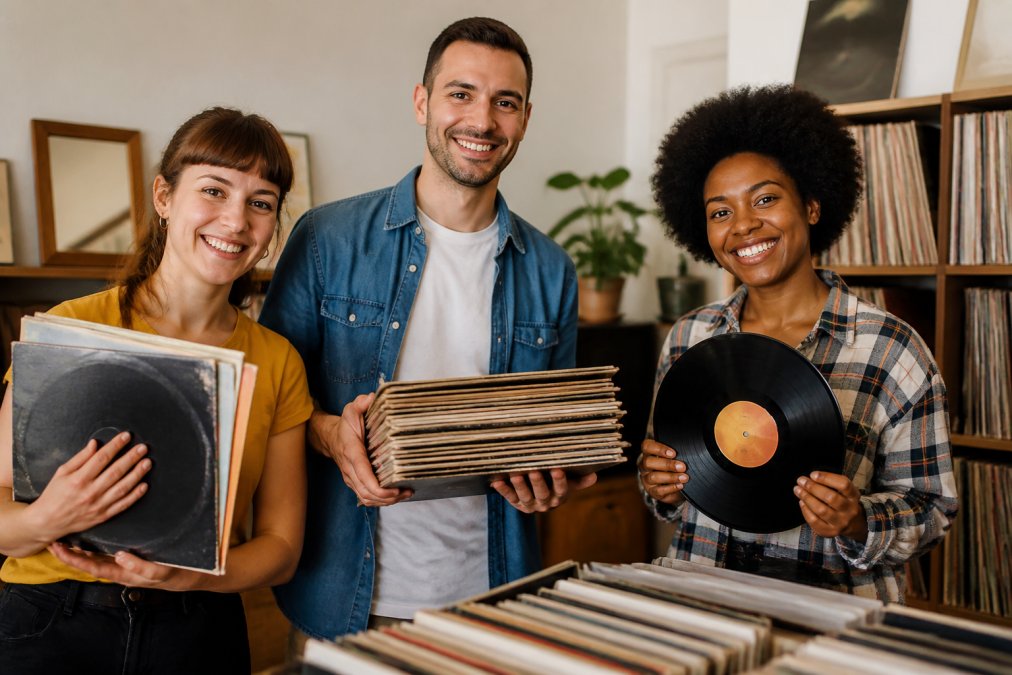
 comparison
Best Ways to Sell Used Vinyl Records in 2026
Table of Contents
- Quick Comparison: Selling Methods for Used Vinyl
- Selling on Community Marketplaces Like LOSBID
- How to Grade Vinyl Records Before You Sell
- Discogs vs eBay for Vinyl: Which Reaches More Buyers?
- How to Package Vinyl for Shipping Without Damage
- Selling to Local Record Shops and Buyback Services
- Pricing Your Records: What Actually Affects Value
- Frequently Asked Questions
Last Updated: September 27, 2026
Quick Comparison: Selling Methods for Used Vinyl
Vinyl collectors are a particular breed of buyer, and that works in your favour when you want to sell used vinyl. The best ways to sell used vinyl records in 2026 come down to four routes: community marketplaces, collector databases, professional buyback services, and local record shops. Each pays differently and demands a different amount of effort.
This guide from LOSBID breaks down what each route actually returns, how to grade and package your records so they hold their value, and why a live auction can beat a fixed listing price.
| Method | Effort | Payout | Best For |
|---|---|---|---|
| Community marketplaces | Low | Market rate | Most sellers |
| Collector databases | High | Highest per record | Rare pressings |
| Buyback services | Very low | Below market | Bulk clearance |
| Local record shops | Very low | Lowest | Speed and convenience |
The trade-off is always the same: the more effort you put into listing, grading, and shipping, the closer you get to full market value. Sell in bulk to a shop and you trade money for time.
Selling on Community Marketplaces Like LOSBID
A community marketplace is the best starting point for most people who want to sell used vinyl without losing a chunk of every sale to fees. LOSBID is built around this idea: real people selling to real people, with free selling and secure transactions. You can list a record and let buyers either purchase it immediately through Buy Now with buyer protection, or let them bid in a live auction when you think a record is worth more than a fixed price suggests.
That mix matters for vinyl. Common pressings sell quickly at a set price. Genuinely rare pressings often do better in a live auction, where two determined collectors can push the final figure well past what you expected. The buyer protection on every transaction also removes the worry that follows most private sales, because payment and dispute handling sit with the platform rather than with you alone.
Why Free Selling and Live Auctions Attract Vinyl Sellers
Free selling changes the maths on lower-value records. When a platform takes a cut of every sale, a record worth a few pounds barely seems worth listing. Remove that cost and the whole collection becomes sellable, not just the highlights.
Live auctions add a second lever. A fixed price caps what you earn; an auction lets the market decide. For a first pressing in strong condition, that difference can be substantial.
How to Grade Vinyl Records Before You Sell
Grading is the single biggest factor in what a buyer will pay, and it is where most sellers lose money. Learn how to grade vinyl records honestly and you protect both your price and your reputation.
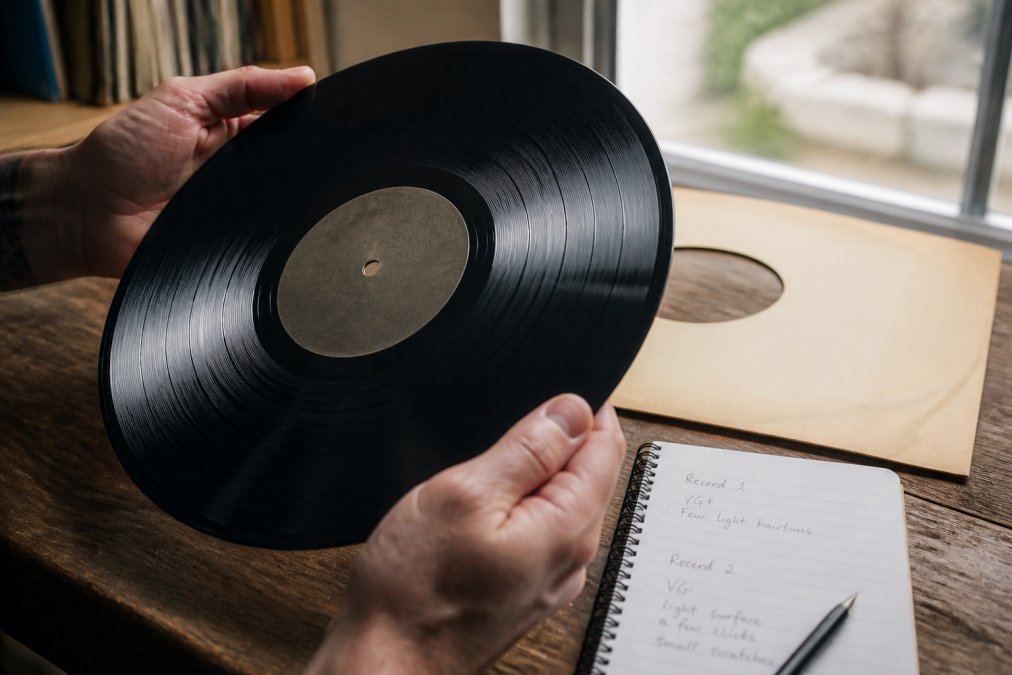
The vinyl itself and the sleeve are graded separately. A record can have a flawless disc and a battered cover, and buyers price it accordingly. Play-test anything you are unsure about, because some marks look worse than they sound and some look harmless but skip.
The Goldmine, VG+, and VG Grading Scale Explained
Most collectors use a shared shorthand. Goldmine (NM) describes a record that looks almost new, with no visible marks and clean playback. Very Good Plus (VG+) means light signs of handling that do not affect sound. Very Good (VG) allows surface noise and visible scuffs but still plays through without skipping.
Below VG, values drop sharply. Be conservative: a record graded VG+ that arrives looking VG will trigger a dispute, and buyer protection will usually side with the buyer.
Discogs vs eBay for Vinyl: Which Reaches More Buyers?
Discogs reaches serious collectors; eBay reaches a much broader, less specialised audience. That distinction decides which platform suits which record.
Discogs is a database first and a marketplace second. Every pressing has its own catalogued entry, which makes accurate listing easier and attracts buyers who know exactly what they want. Its commission structure takes a percentage of the final sale value, so factor that into your pricing.
eBay offers far more traffic, but vinyl buyers there are a mixed group. You will sell common records faster, yet rare pressings may not reach the collectors willing to pay a premium. Listing effort is similar on both, so the choice usually comes down to the record in front of you.
How to Package Vinyl for Shipping Without Damage
Vinyl arrives damaged for one reason: the record moved inside the box. Learn how to package vinyl for shipping correctly and you avoid the refunds, disputes, and lost profit that follow a cracked or warped disc.
- Remove the record from its sleeve and place both in a fresh inner sleeve, outside the cover
- Use a proper record mailer with rigid cardboard stiffeners on both sides
- Tape the mailer shut along every edge and mark it clearly as fragile
- Keep the record centred so it cannot slide and strike the corners in transit
- For valuable pressings, add a second outer box with padding between the two
Sending the record outside its cover prevents seam splits, which are one of the most common complaints from buyers. It takes an extra minute and saves a lot of arguments.
Selling to Local Record Shops and Buyback Services
Local record shops and buyback services offer the fastest exit and the lowest price. A shop has rent, staff, and slow-selling stock to cover, so its offer reflects all of that. Expect a fraction of retail value, paid immediately, with no listing, grading, or shipping on your side.
Buyback comparison services work differently. They gather offers from several professional buyers in one place so you can compare them quickly. It is a good route for clearing a large collection in one go, though the per-record price will still sit below what a collector would pay directly.
The honest rule: if your time is worth more than the difference, sell to a shop. If you have rare records in the pile, pull those out first.
Pricing Your Records: What Actually Affects Value
Pressing, condition, and demand drive price. A record is worth what a collector will pay on the day, and that figure moves with all three factors at once.
First pressings, original labels, and limited runs command more. Condition then multiplies or destroys that premium. Demand is the wildcard: a record that was worthless five years ago can spike when an artist tours or a track gets sampled. Check recent sold listings rather than asking prices, because anyone can ask anything.
Frequently Asked Questions
Where is the best place to sell vinyl records for the most money?
It depends on how much effort you want to put in. Selling individual records to collectors on a dedicated marketplace often gets the highest price per record, but it takes time to list, grade, and ship each one. Local record shops pay less but offer instant cash and no shipping. Community marketplaces with free selling let you keep more of the final price while reaching local and national buyers.
How do I determine the value of my used vinyl records?
Start by checking the catalogue number on the sleeve or label against a database like Discogs, which shows historical sales data for that exact pressing. Condition matters enormously: a VG+ copy can be worth several times more than a G+ copy of the same record. Rarity, original pressings, and whether the sleeve is intact all affect price. When in doubt, list a few comparable sold items to see what buyers actually paid.
Is it better to sell vinyl records individually or as a collection?
Individual sales earn more per record but take far longer. Collections sell faster and suit sellers who want to declutter without managing dozens of listings. A middle path works well: pick out the high-value or rare pressings to sell one by one, then bundle the rest as a job lot. Buyback services are built for bulk selling, though offers are generally lower than selling directly to collectors.
What are the fees associated with selling vinyl on online marketplaces?
Fees vary by platform. Discogs charges a commission on the final sale value. Community marketplaces such as LOSBID offer free selling, which means you keep more of what the buyer pays. Always check the current fee structure on the platform's own site before listing, as rates and terms can change.
How should I grade the condition of my vinyl records before selling?
Use the standard Goldmine scale: Mint (M), Near Mint (NM), Very Good Plus (VG+), Very Good (VG), Good (G), and Poor (P). Inspect the vinyl under bright light for scratches and scuffs, then check the sleeve separately for seam splits, ring wear, and writing. Play-test anything you're unsure about. Be honest with your grading, because buyers on collector platforms will dispute inaccurate listings and that costs you time and reputation.
Selling a record collection is really a question of how much effort you want to trade for value. If you would rather skip the fees, the disputes, and the anonymous buyer, LOSBID gives you free selling, live auctions, and Buy Now listings with buyer protection, all in one place. Get started with LOSBID and turn that shelf of records into cash.