 how-to
How to Price Vintage Clothing for Quick Sale
Table of Contents
- Research Comparable Sold Listings
- Evaluate Garment Condition and Attributes
- Vintage Clothing Resale Pricing Guide
- Use a Vintage Clothing Price Calculator
- Set a Competitive Asking Price
- How to Sell Vintage Clothes Online Effectively
- Execute a Quick-Sale Strategy
- Frequently Asked Questions
Last Updated: October 11, 2026
Research Comparable Sold Listings
The foundation of understanding price vintage clothing for quick sale is researching what similar items have actually sold for. Too many sellers rely on asking prices they see online, which inflates their expectations and slows sales. What matters is what buyers paid, not what sellers hoped to get.
Check resale platforms for historical sales data
Start by visiting the major resale platforms where vintage items move. Look at completed listings, sold auctions, and transaction history. Platforms like Vinted and Depop show what pieces actually sold for in recent weeks. LOSBID's live auction format gives you direct insight into competitive bidding on similar vintage pieces.
Focus on items that match yours closely: same era, brand, condition level, and size. A 1990s Levi's jacket in excellent condition sells for different money than the same jacket with visible wear. Narrow your search by decade, designer, and garment type to get accurate comparisons.
Focus on sold prices, not asking prices
This is where many sellers go wrong. An asking price of £50 means nothing if the item never sold. A sold price of £28 tells you the actual market. Spend time filtering for "sold" or "completed" listings only. This data is your pricing anchor.
Look at the last 10-15 sold listings for your item type. If prices cluster around £30-40, that's your range. If you see wide variation (£15 to £60), dig deeper into condition and specific attributes. The outliers either had rare features or poor photos that undersold them.
Record these prices in a simple spreadsheet. You'll use this data to calculate your own asking price.
Evaluate Garment Condition and Attributes
Condition is the single biggest price driver for vintage clothing. A pristine 1980s dress commands 3-4x the price of the same dress with stains, odours, or loose seams. Grade your items honestly before pricing.
Grade condition accurately
Use a standard grading scale to be consistent:
- Excellent: No visible wear, no stains, all seams intact, colours vibrant
- Good: Minor wear, no stains, seams solid, colours faded slightly
- Fair: Visible wear, possible small stains or repairs, seams intact
- Poor: Heavy wear, stains, loose seams, fading or discolouration
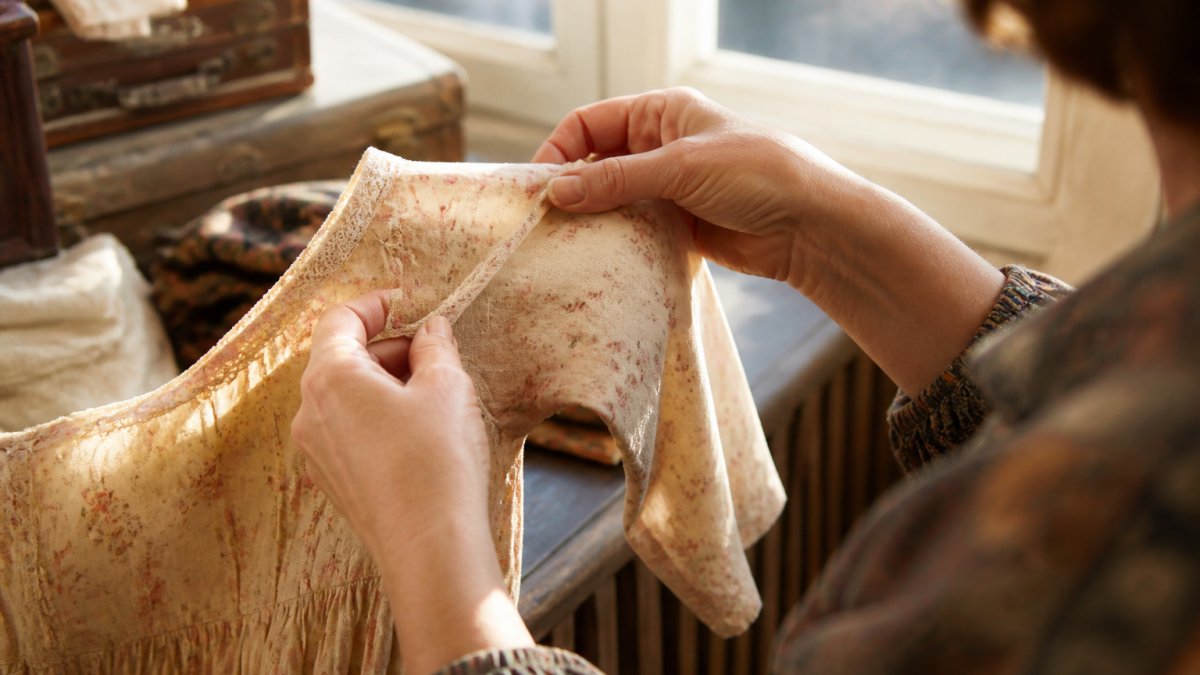
Take close-up photos of any flaws. Buyers appreciate honesty. An item listed as "good" with photos showing a small stain sells faster than one listed as "excellent" when the buyer receives it and finds damage.
Factor in brand, era, size, and rarity
Beyond condition, these attributes shift price significantly:
- Brand: Designer labels and recognizable vintage brands (Chanel, Levi's, Burberry) command premiums. Unknown or fast-fashion brands price lower.
- Era: 1970s and 1980s pieces trend stronger than 1990s-2000s currently. Rarity of the era affects demand.
- Size: Smaller sizes (6-10) sell faster than larger sizes. Unusual sizes (very small or large) face longer selling windows.
- Rarity: One-of-a-kind pieces or limited production runs justify higher prices. Mass-produced items price competitively.
A size-8 Levi's jacket from 1985 in good condition might sell for £40-60. The same jacket in size 16 might sit for weeks at £25-30. This isn't unfair, it reflects buyer demand.
Vintage Clothing Resale Pricing Guide
Now that you've researched comparable sales and graded your item, calculate your actual pricing floor.
Calculate your pricing floor
Your pricing floor is the minimum you need to make the sale worthwhile after fees and shipping. Here's how to work it out:
Step 1: Identify your average sold price from research From your comparable listings, determine the median price. If items sold for £25, £32, £38, and £45, your median is around £33.
Step 2: Estimate your costs
- Selling fees (typically 8-15% depending on platform)
- Shipping costs (usually £3-8 for clothing within the UK)
- Packaging materials (bags, tape, labels): roughly £0.50-1
Step 3: Calculate net proceeds If your item's median comparable price is £35:
- Minus 12% fee: £30.80
- Minus £5 shipping: £25.80
- Minus £1 packaging: £24.80
Your pricing floor is around £25. Anything below that and you're losing money or your time isn't worth it.
Account for fees and shipping costs
Different platforms charge different fees. LOSBID's free selling model means you keep more of your sale price. If you're selling on a platform charging 15% commission, you must price higher to hit the same net proceeds.
Factor in buyer protection guarantees too. Platforms offering buyer protection (like LOSBID's "Buy Now" option) give you security but may influence your pricing strategy.
Use a Vintage Clothing Price Calculator
Rather than mental maths, build a simple calculator to test pricing scenarios quickly. Here's the framework:
Inputs: Comparable sold price, platform fees (%), shipping cost, packaging cost, your desired net proceeds
Formula: Asking Price = (Desired Net + Fees + Shipping + Packaging) ÷ (1 − Fee Rate)
Example: You want to net £25. Platform fee is 12%. Shipping is £5. Packaging is £1.
Asking Price = (£25 + £5 + £1) ÷ 0.88 = £35.23
Price at £35 and you'll net approximately £24.50 after all costs.
Use a spreadsheet or even a notepad to run these calculations for each item. This removes guesswork and ensures you're pricing to your actual margins, not hopes.
Set a Competitive Asking Price
With your floor calculated, you're ready to set your actual asking price.
Price slightly below market to accelerate sales
If comparable items sold for £30-40, price yours at £32-36 depending on condition. Pricing at £35 when the market range is £30-40 positions you as competitive without appearing desperate. Pricing at £28 might sell faster but leaves money on the table.
For quick sales specifically, lean toward the lower end of your range. If you're selling in autumn when vintage clothing demand peaks, you can price higher. If you're selling in summer, price lower to move stock faster.
The key insight: a £32 sale today beats a £38 listing that sits for three weeks unsold.
Balance profit margin against time on market
Set a realistic timeline. If you need the item gone within two weeks, price to sell. If you have two months, price for margin and accept a longer wait.
Many sellers underestimate how long items actually sit. A fairly priced vintage dress might take 7-10 days to sell. An overpriced one might take 30+ days or never sell at all. The longer an item sits, the more likely you'll eventually discount it anyway.
How to Sell Vintage Clothes Online Effectively
Pricing is only half the battle. Where you sell and how you present your items matters equally.
Choose the right marketplace for your items
Different platforms attract different buyers:
- Auction-based platforms (like LOSBID's live auctions) work well for rare or collectible vintage where competitive bidding drives price discovery
- Fixed-price marketplaces suit straightforward vintage basics and everyday pieces
- Niche platforms (vintage-focused communities) attract serious collectors willing to pay premiums for curated pieces
LOSBID's hybrid model, offering both "Buy Now" with buyer protection and live auctions, lets you choose the selling format that matches your item.
Test your items across platforms if you have duplicates. Track which platform generates faster sales and better prices for your category.
Apply markdown tactics for items not selling
If an item doesn't sell within your target timeframe, reduce price by 10-15%. This signals urgency to browsers and often triggers a sale. Don't drop price more than once, aggressive discounting trains buyers to wait for deeper cuts.
Refresh your listing photos or description when you reduce price. A "price drop" signal combined with new photos often reactivates interest.
Execute a Quick-Sale Strategy
Speed requires intentional decisions beyond pricing alone.
Set realistic time expectations
Vintage clothing typically sells within 5-14 days at fair pricing. Rare or designer pieces may take longer. Basic vintage in common sizes sell fastest. Accept that some items will take weeks regardless of price.
If you're selling 20 pieces, expect 5-7 to sell within a week, another 5-7 within two weeks, and 3-5 to take a month or longer. Price accordingly and don't panic if early sales are slow.
Use negotiation tactics to close faster
On platforms allowing offers, accept reasonable counteroffers quickly. A buyer offering £30 for your £35 item is showing genuine interest. A quick "yes" closes the sale today instead of waiting for a full-price buyer who may never arrive.
Set your "walk away" price before listing. If your floor is £25 and an offer comes in at £24, you know whether to counter or decline. This removes emotion from negotiations.
Last Updated: October 11, 2026
Determining the price vintage clothing for quick sale comes down to three things: honest research of what similar items sold for, realistic grading of your item's condition, and pricing to move rather than to dream. Calculate your costs, set a competitive price slightly below market, and choose a platform that matches your item type.
LOSBID's community marketplace gives you the flexibility to sell at fixed prices with buyer protection or test your items in live auctions. With free selling, you keep more of each sale. Research comparable prices, grade honestly, and price to sell, that formula moves vintage clothing faster than hoping for a premium buyer who may never arrive.
Frequently Asked Questions
How do I check what similar vintage clothes have sold for?
Search completed sales on resale platforms like Vinted, Depop, and eBay to find items matching yours by brand, era, size, and condition. Filter for 'sold' listings to see actual prices paid, not asking prices. Note the date of sale, as market demand fluctuates. Cross-reference multiple platforms to spot trends. Record 5-10 comparable sold items to establish a realistic price range for your vintage clothing.
Should I price vintage clothing below similar listings for a faster sale?
Yes, pricing 5-15% below comparable sold items typically accelerates sales without drastically cutting profit. This strategy works best when you prioritise speed over maximum profit. If an item sits unsold for two weeks, reduce the price by 10%. After four weeks, consider a further 15-20% reduction. Calculate your minimum acceptable profit after fees and shipping to avoid pricing below your break-even point.
How do condition, brand and rarity affect vintage clothing prices?
Condition is the primary driver: mint vintage pieces sell for 60-80% of original retail, while worn items fetch 20-40%. Established brands like Levi's, Chanel, or Burberry command 20-40% premiums over lesser-known labels. Rarity, limited editions, discontinued styles, or hard-to-find sizes, can add 30-50% to the base price. Combine these factors: a rare vintage designer piece in excellent condition justifies premium pricing; a common high-street item with visible wear warrants aggressive discounting.
What should I do if my vintage clothing item doesn't sell after a few weeks?
After two weeks with no interest, reduce the price by 10% and refresh your listing photos or description. If still unsold after four weeks, cut the price by 15-20% more. Reassess condition honestly, stains, odours, or fit issues may require steeper discounts. Consider listing on a different platform where your item's audience congregates. If profit margins become too thin, donate the item and claim a tax deduction rather than selling at a loss.