 blog
blog
Best Marketplace for Selling Electronics
Table of Contents
- What Makes a Good Marketplace for Selling Electronics
- How to Sell Used Electronics Safely
- Selling Electronics Online Fees Comparison
- Tips for Listing Electronics on Marketplaces
- Local vs. National Marketplaces for Electronics
- Maximising Your Resale Value
- Shipping and Logistics Considerations
- Frequently Asked Questions
Last Updated: September 25, 2026
What Makes a Good Marketplace for Selling Electronics
Choosing the right selling electronics marketplace determines how quickly your items sell and how much money you actually keep. The best platforms balance low fees, strong buyer verification, secure payment processing, and a genuinely engaged audience looking for the specific items you're selling.
A good marketplace for electronics does four things consistently: it attracts serious buyers (not tire-kickers), it protects your money until the transaction completes, it makes listing straightforward, and it doesn't take such a large cut that your profit disappears. When you're selling used electronics, every percentage point matters.
How to Sell Used Electronics Safely
Selling electronics online means managing two serious risks: data loss and transaction fraud. You need to protect yourself and your buyers before a single item gets listed.
Data Sanitisation and Device Wiping
Before any electronics leave your hands, you must remove all personal data completely. This isn't optional; it's essential for both legal protection and buyer confidence.
Proper data sanitisation means factory resetting your device, then verifying the reset worked. For smartphones and tablets, use the manufacturer's built-in reset tool. For laptops, perform a full operating system reinstall rather than just a factory reset. Partial deletions leave recoverable traces.
Document your data sanitisation process. Take a screenshot of the completed reset screen or write down the date and method. Buyers increasingly ask for proof that their purchase won't contain your banking details or personal photos. Having this documentation ready speeds up your sales and builds trust.
Verifying Buyer Credibility
Not every buyer who contacts you is serious. Scammers often make offers they never intend to pay for, wasting your time and preventing genuine buyers from purchasing your item.
Check buyer profiles before accepting offers. Look for account history, completed transactions, and feedback ratings. New accounts with zero history carry higher risk; they might be legitimate, but you're taking on uncertainty. Established accounts with positive feedback from multiple sellers suggest a real buyer.
Ask qualifying questions before committing. "Will you be collecting this item or arranging delivery?" or "What's your timeline for payment?" separates serious buyers from browsers. Genuine buyers answer quickly and specifically. Those who disappear after making an offer were never serious.
Use secure payment methods that protect you until delivery completes. Platforms with buyer protection and transaction holds mean you don't release the item until payment actually clears.
Selling Electronics Online Fees Comparison
Marketplace fees vary dramatically across platforms, and understanding the full cost structure is essential for calculating actual profit. A 5% advertised commission can easily become 10-12% once payment processing, optional protections, and listing fees are factored in. On a £200 electronics sale, the difference between a 6% total cost and a 12% total cost means keeping £188 versus £176, a £12 swing on a single transaction.
Marketplace fees vary across platforms. Some specialist platforms may charge less, while auction-based marketplaces might have lower percentage fees.
Beyond headline commission rates, watch for these hidden costs:
- Payment processing fees: Usually 2-3% on top of commission
- Buyer protection or seller protection fees: Often 1-3% optional add-ons
- Shipping label fees: Some platforms charge for printed labels; others include them
- Listing upgrade fees: Featured or promoted listings can cost £0.50-£3.00 per item
- Account or subscription fees: Premium seller accounts may cost £5-£20 monthly
The best fee structure depends on your volume and sales velocity. If you're selling one item occasionally, a low-commission platform matters less than one with strong buyer interest and fast turnover. If you're selling regularly, even a 2% difference compounds into hundreds of pounds annually.
For regular sellers, calculating your actual cost-per-sale across platforms before committing is advisable. List an identical item on each, note the final fee breakdown at checkout, and compare the net proceeds you'd receive.
Timing also affects fees. Some platforms run promotional periods with reduced commission for new sellers or specific categories. Selling electronics during these windows can save 1-2% on your transaction costs.
Tips for Listing Electronics on Marketplaces
Your listing determines whether buyers even see your item. Weak listings get buried. Strong listings generate multiple offers.
Product Photography and Condition Grading
Electronics need clear, honest photographs from multiple angles. Buyers can't inspect items in person, so your photos replace a physical inspection.
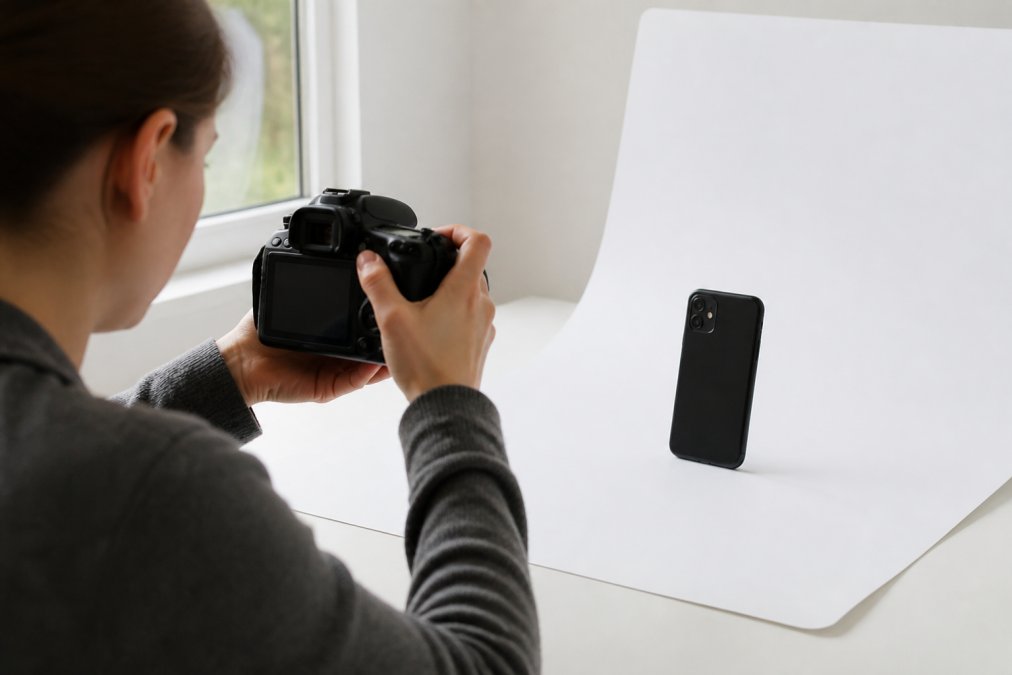
Photograph the item powered on (if safe) to prove it works. Show the screen, any visible wear, and any damage or scratches. Use natural lighting; harsh artificial light hides problems and makes items look worse than they are. A phone photographed against a plain white background with natural window light sells faster than the same phone photographed in shadow.
Grade your item's condition accurately. Most platforms use categories like "Like New," "Good," "Fair," and "Poor." Misgrading creates returns and buyer disputes. A phone with a cracked screen is Fair or Poor, not Good. Honesty builds your reputation and prevents expensive refunds.
Writing Descriptions That Attract Buyers
Your description should answer the questions every electronics buyer asks: Does it work? What condition is it in? What's included? Will it fit my needs?
Lead with the item's condition and functionality. "Fully working iPhone 13, minor scratches on back, original box and charger included" tells the buyer everything essential in one sentence. Follow with specific details: storage capacity, colour, any defects, and what's in the box.
Avoid vague language. "Good condition" means nothing. "Excellent condition with light surface scratches visible under direct light, no screen damage, battery health 87%" gives buyers confidence. They know exactly what they're getting.
Mention any limitations honestly. "Battery drains to 20% after 8 hours of heavy use" prevents returns from buyers expecting all-day battery life. "Includes charger but not original cable" manages expectations. Honesty reduces refund requests and builds repeat buyer relationships.
Local vs. National Marketplaces for Electronics
Local collection-only marketplaces move items faster because buyers avoid shipping costs and delays. National platforms reach far more potential buyers but require you to handle logistics.
Local platforms work best for bulky, lower-value electronics like old monitors, desktop computers, or broken items you're selling for parts. A broken laptop might sell in two days locally but sit unsold nationally because shipping cost exceeds the item's value.
National platforms suit higher-value items like smartphones, tablets, and gaming consoles where shipping cost is negligible compared to sale price. A £400 phone sells nationally because a £10 shipping cost barely impacts the buyer's decision.
Consider your inventory. If you're clearing out one house's electronics, local collection-only saves you shipping time and cost. If you're regularly sourcing and reselling electronics, national platforms with established buyer bases reach serious buyers faster.
Maximising Your Resale Value
Electronics depreciate quickly. A smartphone loses 30-40% of its value within a year. Maximising resale value means understanding what buyers actually pay for and presenting your item strategically.
Timing matters. Sell phones in the months before new models launch; buyers upgrade and demand for used models drops. Sell gaming consoles during the holidays when demand spikes. Seasonal demand swings can mean a £50 difference on the same item.
Bundle accessories to increase perceived value. A phone with the original charger, cable, and box sells for 10-15% more than the same phone without them. Buyers value completeness even if they don't use every item.
Price competitively but not desperately. Checking what identical items actually sold for (not just listed prices) tells you the real market value. Underpricing moves the item faster but costs you money. Overpricing means it sits unsold. The sweet spot is 5-10% below the highest recent sale price.
Shipping and Logistics Considerations
Shipping electronics requires careful handling. A dropped package damages expensive items and triggers buyer disputes or returns.
Use proper packaging: bubble wrap around the item, a layer of padding around that, and a sturdy box with at least 5 cm of padding on all sides.
Frequently Asked Questions
Where is the best place to sell used electronics in the UK?
The best marketplace depends on your priorities. If you want free selling with buyer protection and flexible options, community marketplaces offer competitive advantages. For specific items like collectibles, niche platforms attract serious buyers. National platforms provide larger audiences but often charge higher commissions. Local classifieds work well for items where buyers prefer collection-only options to avoid shipping costs. Consider your item type, desired audience size, and acceptable fees when choosing.
How do I ensure my data is wiped before selling electronics?
Data sanitisation is essential before selling any device. For smartphones and tablets, use the manufacturer's factory reset feature (Settings > System > Reset on most devices). For computers, use built-in tools like Windows Reset or macOS Erase. For older devices, consider professional data destruction services that provide certificates. Always remove SIM cards and memory cards separately. Test the device after wiping to confirm it works but contains no personal data. Document this process for buyer confidence and your own protection.
Are there free marketplaces for selling electronics in the UK?
Yes, several platforms offer free or low-cost selling options. Local classified sites typically cost nothing to list. The trade-off is usually smaller audiences compared to major platforms. Free selling is ideal if you're decluttering and want minimal fees, but paid platforms may offer better buyer protection and faster sales. Check each platform's fee structure and buyer verification systems before choosing.
What should I include in my electronics listing to attract serious buyers?
Include the device's exact model, age, and condition grade (excellent, good, fair, poor). List all included accessories, original packaging, and any warranties. Highlight functionality: note any scratches, battery health percentage, or performance issues honestly. Add clear, well-lit photos from multiple angles. Specify the item condition grading standard you're using so buyers know what to expect. Mention if data has been wiped and include relevant certifications or professional refurbishment details. Serious buyers research specifications beforehand, so accuracy builds trust and reduces returns.