 listicle
Best Sites for Selling Antiques: 2026 Comparison
Table of Contents
- Quick Comparison: Antique Selling Sites and Fees
- LOSBID: Community Marketplace with Free Selling
- Specialist Antiques Platforms: Antiques.co.uk and Sellingantiques.co.uk
- General Marketplaces for Antiques and Collectables
- How to Value Antiques Before Selling
- Sell Antique Furniture Online: Platform Selection and Strategy
- What Antiques Are in Demand and How to Maximise Your Sale
- Choosing the Right Platform for Your Items
- Frequently Asked Questions
Last Updated: October 9, 2026
Quick Comparison: Antique Selling Sites and Fees
Selling antiques online means choosing between specialist marketplaces, general platforms, and community-focused alternatives, each with different fees, reach, and seller protections. The right choice depends on what you're selling, how fast you want to move it, and how much pricing control you want.
LOSBID is a community marketplace where you can sell antiques for free, with buyer protection built in, so you keep more of what you sell. Specialist platforms like Antiques.co.uk and Sellingantiques.co.uk attract collectors paying premium prices, while Facebook Marketplace and Gumtree offer reach but less specialisation.
The table below compares the main platforms for selling antiques:
| Platform | Seller Fees | Best For | Key Strength |
|---|---|---|---|
| LOSBID | Free to list | All antique types | No commission, buyer protection included |
| Antiques.co.uk | Commission-based | Fine antiques, jewellery, furniture | International buyer access |
| Sellingantiques.co.uk | Commission-based | Professional dealers | 67,000+ listed items, daily updates |
| Facebook Marketplace | Free to list | Local sales, bulk items | Immediate local reach, no shipping |
| Etsy | Listing + commission | Vintage, collectables, decorative items | Crafted/vintage items audience |
| Gumtree | Free to list | General antiques, local pickup | Established UK platform, simple listing |
LOSBID: Community Marketplace with Free Selling
LOSBID is a community marketplace built for real people selling real items. You list antiques for free, and the platform handles buyer protection and secure payments, removing the commission burden that eats into profits elsewhere.
The platform offers two purchasing methods: Buy Now with buyer protection, or live auctions. Some antiques sell better at fixed prices, others attract competitive bidding, and you choose which suits each item.
What makes LOSBID different is the community focus: you're selling to real people, not faceless algorithms. Trust matters when buyers spend money on items they can't inspect, and secure transactions plus buyer protection mean you're not left exposed if something goes wrong.
For sellers moving multiple items, the free listing model adds up. If you're clearing a house or downsizing, commissions on dozens of pieces drain profit; LOSBID's no-fee approach lets you list everything without costs eating margins.
Specialist Antiques Platforms: Antiques.co.uk and Sellingantiques.co.uk
Antiques.co.uk and Sellingantiques.co.uk are built specifically for antiques, attracting serious collectors rather than bargain hunters. If you're selling genuine antiques, furniture, jewellery, clocks, or art, these platforms connect you with buyers actively searching those categories.
Antiques.co.uk lists furniture, jewellery, clocks, glassware, and collectables, and reaches international buyers, which matters for rare or high-value pieces. Approved listings signal authenticity, reducing scepticism about condition or provenance.
Sellingantiques.co.uk operates a network of over 500 UK dealers with more than 67,000 items listed, updated daily. That scale attracts serious collectors, but the dealer-focused model means competing with established professionals, which can work for or against you depending on your items' quality and presentation.
Both platforms charge commission, shrinking your margin compared to free-listing alternatives, but the specialised audience often pays more for authentic antiques. A Victorian clock or Georgian silver sells for higher prices on specialist platforms than on general marketplaces.
General Marketplaces for Antiques and Collectables
Facebook Marketplace, Gumtree and Etsy all accept antiques, but none specialise in them. What determines your outcome is the fee mechanics, the payment protection, and whether the buyer will collect.
Facebook Marketplace reaches local buyers immediately and charges nothing to list, with no shipping cost on collection-only sales.
Gumtree is an established classifieds site with a straightforward listing process and a similar local-collection emphasis. Its audience skews practical, people hunting a deal rather than collectors chasing a specific maker, so a Victorian dresser competes on price, not provenance.
Etsy is the odd one out: a global marketplace with a defined vintage category, so buyers arrive already looking for older pieces. It charges a listing fee per item plus a transaction fee, and payment is processed through the platform, giving both sides protection.
A practical rule: use free local platforms for anything bulky, low-value or collection-only, and reserve fee-charging platforms for items where the audience is genuinely worth paying for. If unsure, list it free first and see what interest it draws before committing to fees elsewhere.
How to Value Antiques Before Selling
Pricing is where most private sellers lose money, not because they get it wildly wrong, but because they have no framework for reading the market.
Start with realised prices, not asking prices. The only reliable signal is what comparable pieces actually sold for. Auction house results are best because the sale is public and completed; specialist dealer listings show what the trade believes an item is worth, usually higher than a private seller can achieve.
Work through the four value drivers in order:
- Condition. The single biggest swing factor. A piece with original surface, no repairs and no losses can be worth several times an identical piece that has been stripped, re-polished or restored. Be honest about wear, repairs, replacements and missing parts, buyers spot the gap between description and photos, and it kills trust faster than a low price ever would.
- Rarity. Genuinely scarce pieces hold value; mass-produced ones do not, unless in exceptional condition or carrying an unusual maker's mark. "Old" and "rare" are not the same thing.
- Provenance. Documented history, a maker's mark, a receipt, a family record, an exhibition label, supports a higher asking price because it removes doubt. Without documentation, you are selling on appearance alone.
- Current demand. Demand shifts. Some categories strong a decade ago are now soft, and others have risen. Check what is actually selling on the platforms you plan to use rather than relying on what you remember being valuable.
Set a price band, not a single number. Decide your floor (the lowest you'd accept) and your target (a fair market figure). Price at the target where negotiation is expected, and at the floor on fixed-price listings where you want a quick sale.
Know when to pay for a professional valuation. For most household antiques, self-research is enough.
Match the price to the audience. Specialist platforms support higher asking prices because buyers there expect to pay for authenticity. General marketplaces expect lower prices and reward speed. Price for the platform you are listing on, not an abstract "market value".
Sell Antique Furniture Online: Platform Selection and Strategy
Antique furniture is bulky, difficult to ship, and hard to evaluate from photos alone. These factors change your platform strategy compared to smaller collectables.
Specialist platforms like Sellingantiques.co.uk work well for documented antique furniture, Georgian tables, Victorian chairs, Arts and Crafts pieces. These attract buyers willing to arrange collection or pay for professional shipping.
Facebook Marketplace and Gumtree excel for local sales, since furniture buyers often prefer collection to avoid shipping damage and costs. Posting locally means faster sales, fewer logistics headaches, and no specialist-site commission.
LOSBID's free listing model suits furniture well when you have multiple pieces, and buyer protection covers you if disputes arise. Buy Now and auction options let you test pricing.
Professional photography is essential for furniture. Clear images showing condition, construction details, and scale help buyers evaluate pieces remotely. Include measurements and material information.
Shipping furniture is expensive and risky. Consider collection only or a courier specialising in furniture, and use platform shipping calculators to set realistic expectations. Transparent shipping costs prevent surprise objections at checkout.
What Antiques Are in Demand and How to Maximise Your Sale
Certain antiques move faster than others. Understanding demand helps you price and position items effectively.
Jewellery, particularly vintage gold and silver pieces, sells consistently. Buyers seek engagement rings, bracelets, and necklaces with precious metals. Hallmarks and maker's marks increase value.
Clocks and watches have dedicated collectors. Mechanical movements, working condition, and maker reputation drive prices. A working vintage watch or ornamental clock sells faster than non-functional pieces.
Glassware and ceramics appeal to collectors of specific makers or periods. Wedgwood, Doulton, and Staffordshire pieces have established followings. Common mass-produced items struggle unless rare or in exceptional condition.
Furniture sells on style and condition. Mid-century modern commands premium prices, Victorian and Edwardian furniture has a smaller market unless exceptional, and reproduction competes on price, not authenticity.
Maximise sales by matching items to the right platform. Rare jewellery and documented antiques suit specialist sites. Bulk furniture and general vintage goods work on general marketplaces.
Photography, honesty, and realistic pricing accelerate sales across all platforms. Items priced fairly, photographed well, and described accurately move faster than overpriced or poorly presented equivalents.
Choosing the Right Platform for Your Items
The best platform depends on item type, your timeline, and how much commission you can absorb.
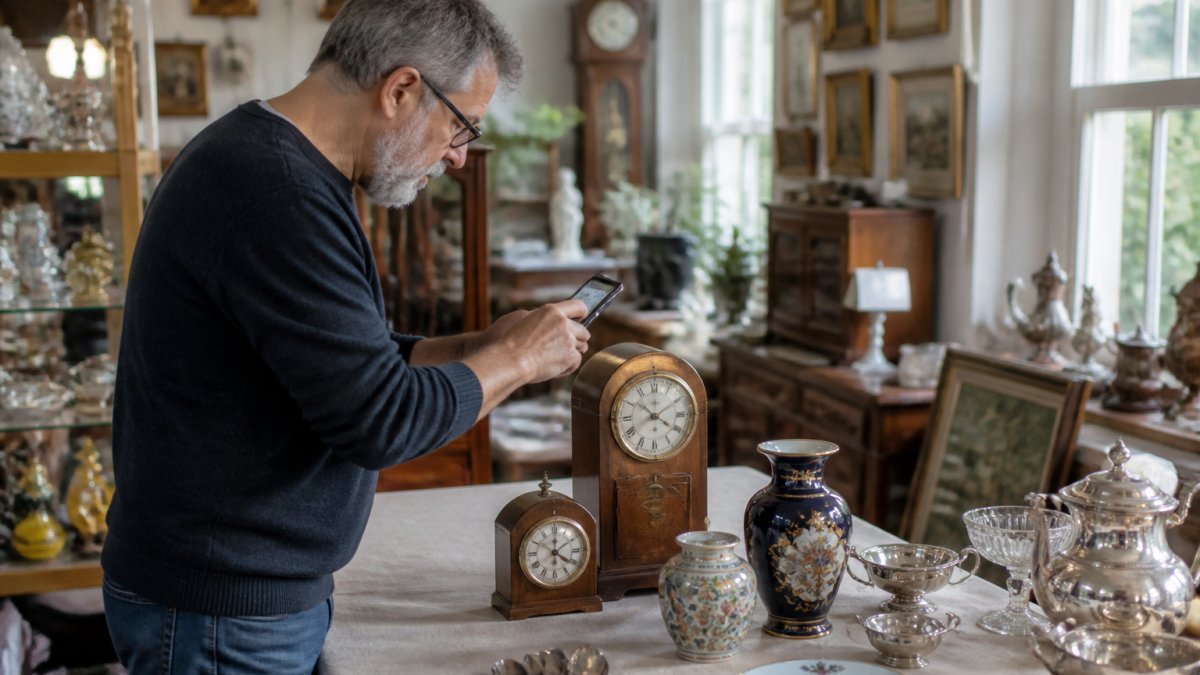
If you're selling rare, documented antiques with established collector markets, fine jewellery, specialist furniture, collectible ceramics, use Antiques.co.uk or Sellingantiques.co.uk. The commission fees pay for themselves through higher buyer prices and serious audience engagement.
For bulk items, general antiques, or mixed collections, LOSBID's free listing model saves money, list everything without commission eating margins. The community marketplace approach works well for clearing houses or downsizing.
If speed matters and you're comfortable with lower prices, Facebook Marketplace and Gumtree deliver immediate local reach. Collection-only sales eliminate shipping risk and cost. This suits furniture and bulky items especially well.
For smaller vintage collectables or decorative pieces with character, Etsy reaches buyers actively seeking those items. The listing and commission fees are worth it if your items appeal to Etsy's audience.
According to UK antiques market research, the specialist antiques sector continues to attract serious collectors despite economic uncertainty. However, e-commerce trends in the UK retail sector show that community-focused marketplaces are growing faster than traditional dealer networks, particularly for first-time sellers.
Selling antiques successfully means matching items to the right audience through the right platform.
Consumer protection guidance for online sellers recommends using platforms with built-in buyer protection and secure payment systems, which LOSBID provides as standard.
Frequently Asked Questions
What are the main differences in fees between sites for selling antiques?
Fee structures vary significantly across platforms. Specialist antiques marketplaces typically charge commission on sales, whilst general platforms may offer free selling or charge listing fees. LOSBID stands out by offering free selling with no upfront costs, making it accessible for those testing the market. Always check each platform's current terms, as fees can include commission percentages, subscription charges, or payment processing fees. Comparing total costs across your expected sales volume helps identify which platform maximises your profit.
How do I know if my antique is worth selling online?
Research comparable items on the platforms where you plan to sell. Look for similar pieces, their condition, age, and final sale prices. Items in good condition with clear provenance, documented history, or maker's marks typically attract buyers. Furniture, jewellery, clocks, glassware, and collectables with established demand sell well. If you find multiple similar items selling regularly, your piece is likely worth listing. Consider the time and effort against expected profit; smaller, easier-to-ship items often provide better returns relative to effort.
Which platform is best for selling antique furniture?
Specialist antiques sites like Sellingantiques.co.uk attract serious collectors seeking quality furniture, whilst general marketplaces like LOSBID reach a broader audience for faster sales. Furniture's size and weight make shipping costly, so platforms offering local collection or regional reach are valuable. High-value pieces benefit from specialist platforms with vetted buyers; everyday vintage furniture sells well on community marketplaces. Test listings on multiple platforms simultaneously to compare buyer interest and final sale prices for your specific furniture type.
What antiques sell fastest online?
Jewellery, clocks, watches, and small decorative objects sell quickly due to lower shipping costs and broad appeal. Vintage fashion and accessories attract younger buyers on general platforms. Specialist collectables like silver, glassware, and ceramics find dedicated audiences on focused marketplaces. Furniture and art take longer but command higher prices on specialist sites. Condition, rarity, and current trends influence speed; items in demand now sell within weeks, whilst niche pieces may take months. Checking 'sold' listings on your chosen platform reveals what moves fastest.